A short fall checklist that keeps your family warm and your heating bills in check all winter.
Why a Mild Alabama Winter Still Catches Families Off Guard
Here is the trap a lot of Phenix City homeowners fall into. Our winters are mild, so the heat sits idle for months while the air conditioner does all the heavy lifting through those long, humid summers. Then the first real cold snap rolls down the Chattahoochee Valley in November, you flip the thermostat to heat, and nothing happens. Or worse, you get a burning smell, a system that short-cycles, or a furnace that runs all night and never warms the house.
The reason is simple. A heating system that sat unused all summer collects dust, the igniter weakens, and small problems you never noticed quietly get bigger. After 30 years of family use, those small issues turn into a no-heat call on the coldest weekend of the year, usually when you have company over.
The good news is that almost all of it is preventable. A short fall checklist keeps your family warm, keeps your power bill from creeping up, and catches the cheap fixes before they become expensive ones. Here is exactly what to do before the cold sets in.
Start With the Filter and the Vents
Your filter is the single most important thing you control, and it is the most neglected. A clogged filter chokes airflow, makes your system work harder for less heat, and drives your bills up. It also strains the blower motor, which is one of the pricier parts to replace.
Pull your filter and hold it up to a light. If you cannot see light through it, replace it. During heating season, most homes need a fresh filter every 60 to 90 days, sooner if you have pets or run the system hard. While you are at it, walk the house and check every supply and return vent.
- Replace a dirty or light-blocking filter, and write the install date on the new one's frame
- Make sure furniture, rugs, and curtains are not blocking any supply registers or return grilles
- Open the closed vents in spare rooms; closing too many actually raises pressure and stresses the system
- Vacuum visible dust from return grilles so you are not pulling it straight into the equipment

Give the System a Test Run Before You Need It
Do not wait for the first cold night to find out your heat works. On a cool morning in October or early November, turn your thermostat to heat and set it a few degrees above room temperature. Then listen and pay attention.
You should feel warm air at the vents within a few minutes. A faint burning smell on the very first run is normal, that is just dust burning off the heat exchanger or elements, and it should clear within 15 to 20 minutes. What is not normal is a smell that lingers, a system that keeps shutting off and restarting, loud banging or grinding, or weak airflow. Any of those means something needs attention before you rely on it.
Running this test early gives you a buffer. If a part needs ordering, you would much rather find out on a 60-degree day than during a hard freeze when everyone in town is calling at once.
Check the Thermostat, Batteries, and Settings
A surprising number of no-heat calls come down to the thermostat, not the furnace. If you have a battery-powered or hybrid thermostat, replace the batteries every fall so a dead cell does not leave you cold in January.
Confirm the thermostat is set to heat and that the temperature swing is actually triggering the system. If you have a programmable or smart thermostat, update your schedule for shorter winter days. Setting it back 7 to 10 degrees while you sleep or while the house is empty is one of the easiest ways to trim your winter bills without sacrificing comfort. Lower the temperature, not the comfort, by letting the system idle when nobody is home.
The Phenix City Humidity Factor Does Not Quit in Winter
Folks assume humidity is only a summer problem here. It is not. The Chattahoochee River microclimate keeps moisture in the air year-round, and that moisture does not stop working against your equipment just because the temperature dropped.
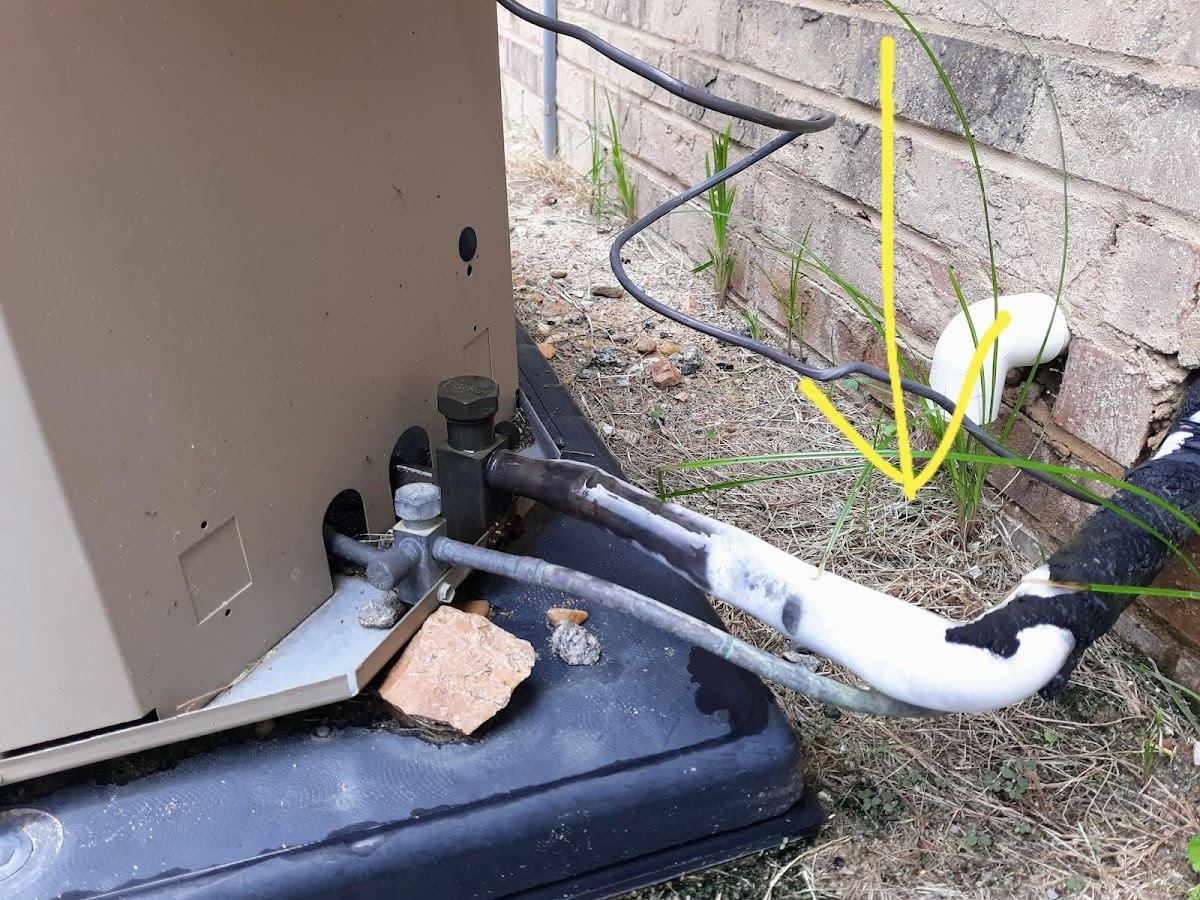
If you run a heat pump, which a lot of homes around Riverchase, Lakewood, and Ladonia do, that outdoor unit still matters in winter. Keep it clear of leaves, pine straw, and yard debris so it can breathe during defrost cycles. The same damp conditions that breed algae in your summer condensate line can also leave the outdoor coil grimy and corroded heading into winter. Give the unit a visual check, clear at least two feet of space around it, and never stack firewood or store the trash cans against it.
Gas furnace homes are not off the hook either. Moisture and a long idle summer are exactly what cause flame sensors to foul and igniters to fail. That damp Alabama air is the quiet reason a furnace that worked fine last March suddenly will not light in December.
When to Bring in a Pro for Maintenance
The filter, the test run, and the thermostat are all things you can handle yourself in an afternoon. But the parts of your heating system that keep your family safe should be checked by a licensed tech, ideally once a year before the season starts. That is what a heating maintenance or furnace maintenance visit is for.
A proper tune-up covers the things you cannot safely inspect on your own. On a gas furnace, that means checking the heat exchanger for cracks, which is a genuine carbon monoxide safety issue, plus testing the igniter, cleaning the flame sensor, checking gas pressure, and confirming the system vents properly. On a heat pump, a tech verifies the reversing valve, defrost cycle, and refrigerant charge, with any refrigerant work handled as EPA-compliant leak detection and repair, never a quick top-off that just leaks back out.
If your test run turned up anything strange, or if it has been more than a year since anyone looked at the system, get ahead of it. A heating repair caught in October is almost always cheaper and less stressful than the same failure on a freezing Saturday night. We service all major brands, so there is no brand lock-in, and we will give you honest repair-versus-replace guidance with real numbers rather than a sales pitch. Call us at +1 (327) 210-5999 to schedule a fall tune-up while the calendar still has open slots.
Seal the Easy Air Leaks and Save All Winter
Your heating system can only do so much if the warm air is leaking straight out of the house. Before the cold sets in, walk the perimeter of each room and feel for drafts around doors, windows, and electrical outlets on exterior walls.
A tube of weatherstripping and a can of caulk are cheap, and the payback shows up on every power bill from December through February. Pay special attention to the attic hatch and any ductwork running through unconditioned space, since older homes around Downtown Phenix City and Summerville often leak the most heat there. Sealing those gaps lets your furnace or heat pump cycle off sooner and run less, which is the whole point of keeping your bills in check.
A Quick Recap You Can Knock Out This Weekend
None of this takes special tools or a full day. Set aside an hour or two on a Saturday, work through the list, and head into winter knowing your system is ready instead of hoping it is.
If you would rather have a trusted local tech handle the safety checks and the deeper inspection, that is exactly what we have done for Phenix City families since 1997. Reach out at +1 (327) 210-5999 and we will get you on the schedule before the first cold front.
- Replace the filter and clear all the vents and registers
- Run the heat early on a cool day and listen for anything off
- Swap the thermostat batteries and set your winter schedule
- Clear debris from the outdoor heat pump unit
- Book a professional heating or furnace maintenance visit
- Seal drafts around doors, windows, and the attic hatch
Frequently Asked Questions
Aim for October or early November, before the first real cold front comes down the valley. Doing it early gives you time to handle any repairs on a mild day instead of scrambling for service during a freeze, when wait times are longest.
Need a hand from a local technician?
My Affordable Air has helped Phenix City families breathe better since 1997. Call for honest, licensed HVAC help.