Simple, proven steps to cut your summer cooling bill without sacrificing comfort in the Alabama heat.
Why Your Cooling Bill Climbs Every Phenix City Summer
If you've ever opened your power bill in July and felt your stomach drop, you're not alone. Summer cooling is the single biggest line item on most Phenix City energy bills, and our climate makes it worse than almost anywhere else. The heat is one thing. The humidity coming off the Chattahoochee River is another problem entirely.
Here's what most homeowners miss. Your air conditioner isn't just fighting temperature. It's fighting moisture. When the air is thick and damp, your system has to work twice as hard to make your home feel comfortable, because it's pulling water out of the air before it can ever cool it down. That extra work shows up as higher runtimes, longer cycles, and a bigger bill at the end of the month.
The good news is that you don't have to choose between staying cool and saving money. Most of the steps below cost little or nothing, and they add up fast. Let's walk through what actually works in a hot, humid Alabama summer.
Set Your Thermostat Smarter, Not Higher
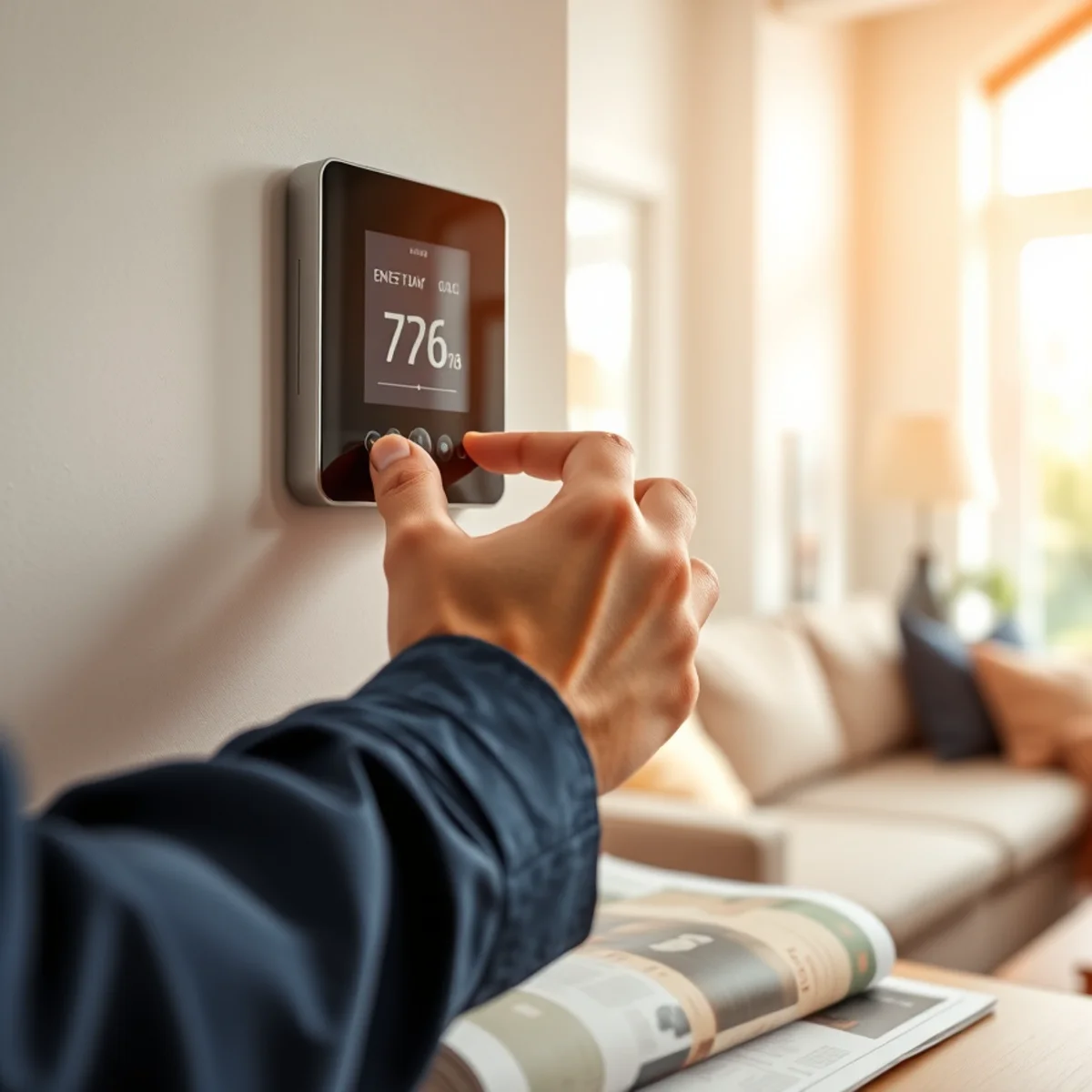
The biggest savings often come from the cheapest change: how you run your thermostat. Every degree you raise your setting in summer can trim roughly 2 to 3 percent off your cooling costs. You don't have to sweat to save money, but small adjustments matter.
A practical target for our area is 76 to 78 degrees when you're home, and a few degrees warmer when you're away or asleep. Cranking the system down to 68 the moment you walk in doesn't cool your house faster. It just runs the unit longer and costs more.
If you're still using a basic manual thermostat, a programmable or smart model is one of the easiest upgrades you can make. Set it to ease back while you're at work and cool down before you get home, so you walk into comfort without paying to cool an empty house all day.
Tame the Chattahoochee Valley Humidity
This is the step generic energy advice gets wrong for our region. In a dry climate, you can run your AC fan on the 'on' setting all day and save a little. Here, that's a mistake. Running the fan constantly re-evaporates the moisture sitting on your indoor coil and blows it right back into your house. Set your fan to 'auto' so it only runs when the system is actively cooling and removing humidity.
When indoor humidity stays in the 45 to 55 percent range, your home feels cooler at a higher thermostat setting. That means you can nudge the temperature up a degree or two and still feel comfortable, which directly lowers your bill.
Keep an eye on your condensate drain line, too. The damp air around here breeds algae and slime that clog these lines fast. A clogged line can shut your system down on the hottest day of the year, or quietly cause it to run inefficiently. Flushing it is part of routine care, and our ac-maintenance visits include checking it.
Seal, Shade, and Stop the Heat at the Door
You can run the most efficient AC in the county and still waste money if the cool air leaks out and the heat pours in. Sealing your home is one of the highest-return moves you can make. Start with the easy wins listed below.
These small fixes reduce the heat load your system has to overcome, so it cycles less and lasts longer. In older Phenix City homes around Downtown, Ladonia, and Summerville, sealing up drafts can make a noticeable dent in your summer bill.
- Close blinds, curtains, or blackout shades on south- and west-facing windows during peak afternoon heat
- Add weatherstripping around doors and caulk visible gaps around windows
- Make sure attic insulation is adequate, since a hot attic radiates heat down into your living space
- Run bathroom and kitchen exhaust fans only as long as needed, since they pull cooled, dehumidified air right out of the house
Don't Let Leaky Ductwork Drain Your Wallet
Here's a number that surprises people. In a typical home, leaky or poorly connected ducts can waste 20 to 30 percent of the air your system produces. That's cooled, dehumidified air you paid for, escaping into your attic or crawlspace before it ever reaches a room.
The signs are easy to spot once you know them: rooms that never get comfortable, a system that runs constantly, dust that seems to come back the day after you clean, and uneven temperatures from one end of the house to the other. If your back bedroom is always five degrees hotter than the living room, your ducts are a likely culprit.
Sealing and repairing ductwork isn't a DIY job for most homeowners, since the worst leaks are usually in spots you can't easily reach. If your bills are creeping up and some rooms just won't cool, our ductwork-repair service can find and seal the leaks so the air you're paying for actually reaches you.
Maintenance Is the Cheapest Efficiency Upgrade There Is
A neglected air conditioner is an expensive one. A dirty filter alone forces your system to work harder and burn more energy, and it's the easiest thing in the world to fix. Check your filter monthly during cooling season and replace it when it looks gray and loaded, usually every one to three months depending on pets and dust.
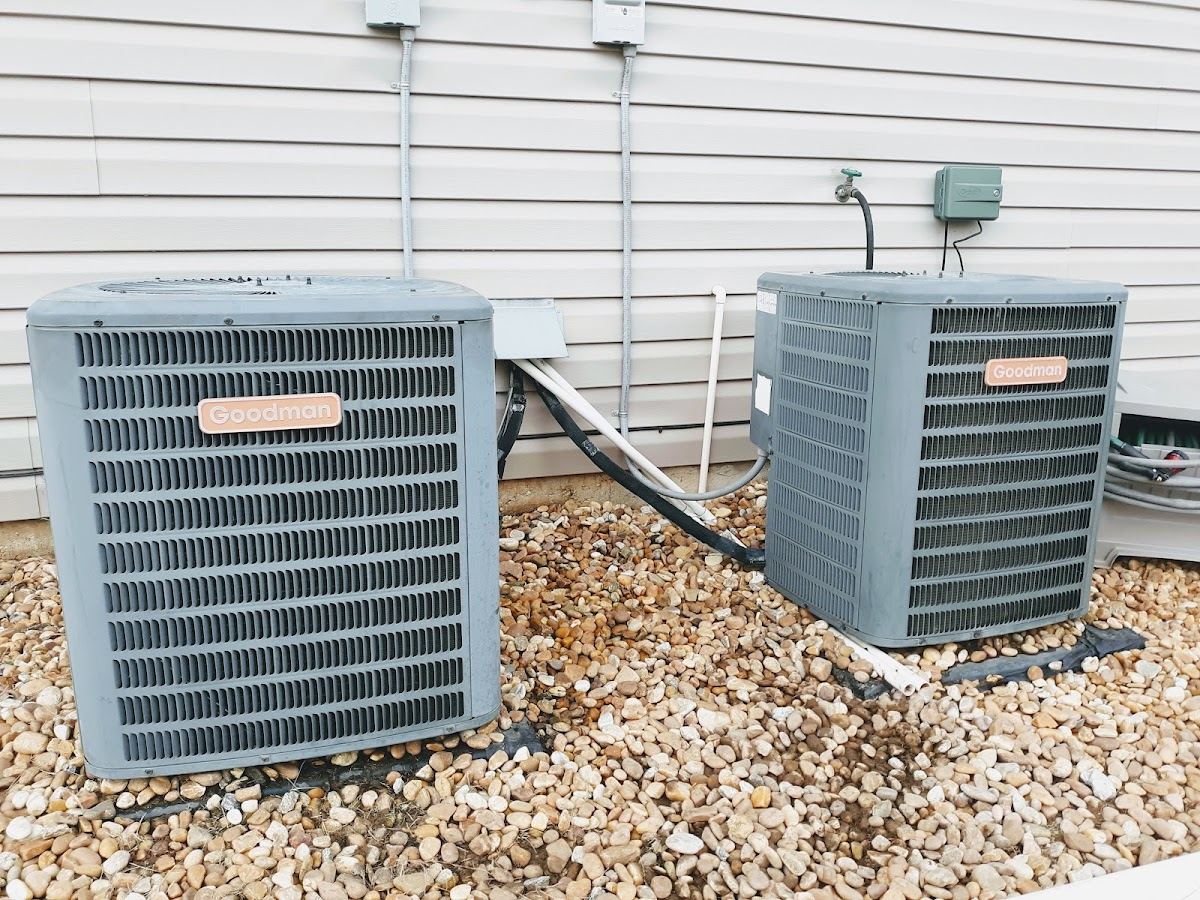
Outside, keep the area around your condenser unit clear. Trim back shrubs and grass at least a couple of feet on all sides, and gently rinse off the fins if they're caked with pollen and grass clippings. The unit needs to breathe to release heat efficiently. In our humid air, the outdoor coil also corrodes faster than the manufacturers' generic lifespan estimates suggest, so it pays to keep it clean and inspected.
A professional tune-up before the worst of the heat hits catches the things you can't see: low refrigerant from a slow leak, weak capacitors, dirty indoor coils, and electrical connections starting to fail. We handle refrigerant the right way, with EPA-compliant leak detection and repair rather than just topping off a system that's quietly leaking. An annual ac-maintenance visit keeps your system running at peak efficiency and heads off the breakdowns that always seem to happen on the hottest weekend. To get on the schedule, call us at +1 (327) 210-5999.
When an Aging System Costs More to Keep Than to Replace
Sometimes the most expensive thing you can do is keep nursing an old, inefficient unit through one more summer. If your air conditioner is 12 to 15 years or older, struggles to keep up on hot days, or needs repairs that add up to a meaningful chunk of a new system's cost, replacement may be the cheaper path over time.
Modern high-efficiency systems use dramatically less energy than units built even a decade ago, and the savings on your monthly bill help offset the investment. They also handle our humidity better, which means more comfort at a higher thermostat setting.
We won't push you into a new system you don't need. Our approach is honest repair-versus-replace guidance with real numbers, so you can decide with a clear head. If your unit is on its last legs, we'll lay out the options, including financing for larger projects, and let you choose. When you're ready to talk it through, reach out for ac-replacement guidance or schedule a visit at +1 (327) 210-5999, and owner Scott Copeland stands behind the work.
Frequently Asked Questions
A practical range for our climate is 76 to 78 degrees while you're home, and a few degrees warmer when you're away or sleeping. Every degree higher trims roughly 2 to 3 percent off your cooling costs, and controlling indoor humidity helps you stay comfortable at those higher settings.
Need a hand from a local technician?
My Affordable Air has helped Phenix City families breathe better since 1997. Call for honest, licensed HVAC help.