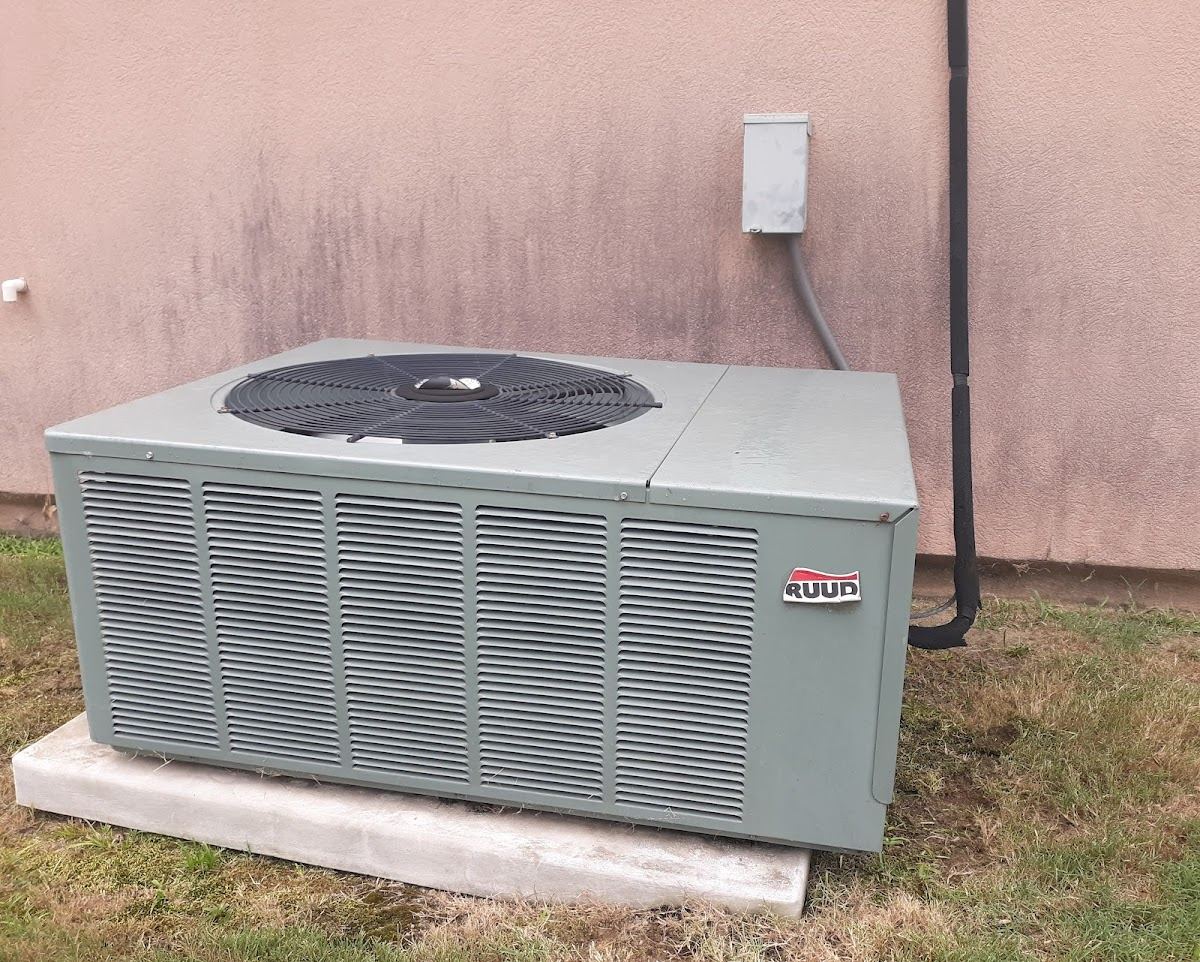
In our long cooling season, once a year is the minimum. Here's why timing matters and what a real visit includes.
Why Alabama AC Maintenance Isn't Optional
Picture late July in Phenix City. The heat index is pushing triple digits, the air feels like a wet towel, and your AC has been running nonstop for weeks. That's the moment a neglected system decides to quit. It almost always happens during the hottest stretch, because that's when the strain is highest and the small problems you couldn't see finally catch up with you.
Here's the truth most homeowners miss: our cooling season is brutally long. From April through October, your air conditioner works harder and for more months than systems in cooler parts of the country. That extra runtime means extra wear, and it means maintenance that might be optional elsewhere is close to mandatory here. A system that gets ignored doesn't just risk breaking down. It quietly loses efficiency, drives up your power bill, and shortens its own lifespan.
The good news is that a single well-timed maintenance visit each year prevents the overwhelming majority of those midsummer breakdowns. It's the cheapest insurance you can buy for the most expensive appliance in your home.
How Often: Once a Year Is the Floor, Not the Ceiling
For most homes in Russell, Lee, Muscogee, Harris, and Chattahoochee counties, one professional AC maintenance visit per year is the minimum. That's the baseline that keeps your warranty valid, your efficiency up, and your system out of the repair shop in August.
But once a year is the floor. A lot of local homes do better with two visits, and there are real reasons for that in our climate.
Consider stepping up to twice-yearly service if any of these describe your home:
- You run a heat pump, which works year-round for both heating and cooling and racks up far more runtime than a straight AC.
- Your system is 10 years or older and you want to stretch its remaining life.
- You have pets, lots of dust, or family members with allergies or asthma.
- Your home sits close to the Chattahoochee River or in a low, humid spot where moisture and algae are a constant battle.
- You've already had one breakdown and don't want a repeat.

Timing Matters: Get It Done Before the Heat Lands
When you schedule is almost as important as whether you schedule. The single best window for AC maintenance in our area is early spring, roughly March through April, before the first real heat wave forces your system into overdrive.
There's a practical reason for this. If a technician finds a weak capacitor, a refrigerant leak, or a tired compressor in April, you have time to fix it on your schedule and your budget. Find that same problem in July, after the part has already failed on a 98-degree afternoon, and you're paying emergency pricing and sweating it out while you wait.
Spring scheduling also means shorter wait times. Once the heat hits and everyone's system starts struggling at once, the calendar fills fast. Booking your ac tune-up early gets you the appointment slot you actually want. If you're already into the season and haven't had a visit, don't wait for next year. Call us at +1 (327) 210-5999 and we'll get you on the books.
What a Real Maintenance Visit Actually Includes
Not all maintenance is equal. A quick glance and a filter swap is not a tune-up, no matter what's printed on the invoice. A genuine visit is a hands-on inspection of the whole system, and it should take real time, not ten minutes.
Here's what a thorough ac maintenance visit covers:
- Checking refrigerant charge and performing EPA-compliant leak detection, never an illegal top-off that masks a real leak.
- Testing electrical components: capacitors, contactors, wiring connections, and amp draw on the motors.
- Cleaning the condenser and evaporator coils, which lose efficiency fast when they're caked with grime.
- Clearing and treating the condensate drain line, which is a major issue here (more on that below).
- Inspecting the blower, fan motor, and belts for wear.
- Checking and replacing the air filter, and verifying airflow across the system.
- Calibrating the thermostat and confirming the full cooling cycle runs correctly.
- Measuring temperature split to confirm the system is actually cooling to spec.
The Phenix City Humidity Factor
Generic maintenance advice written for Arizona or the Midwest misses what really hurts systems here. The Chattahoochee River microclimate keeps our air heavy with moisture for months, and that humidity attacks your AC in specific, predictable ways.
First, it accelerates coil corrosion. Damp air sitting on metal coils, season after season, eats away at them faster than dry climates ever would. Second, that same moisture breeds algae and slime inside your condensate drain line. A clogged drain backs up water into the pan, trips your safety switch, and shuts the system down, or worse, leaks into the ceiling. We see this constantly in neighborhoods like Riverchase, Ladonia, and Lakewood. Third, the constant humidity forces your compressor to work harder to pull moisture out of the air, adding strain over the long season.
This is exactly why annual maintenance matters more here than the national average suggests. Clearing and treating that drain line, checking the coils for corrosion, and confirming the system is removing humidity properly are not optional luxuries in the Chattahoochee Valley. They're the difference between a system that lasts 15 years and one that dies at eight.
Signs You Shouldn't Wait for Your Scheduled Visit
Maintenance is preventive, but sometimes your system tells you it needs attention right now. Don't push these signs to your next scheduled appointment.
Call a pro if you notice any of the following:
- Warm air coming from the vents while the system runs, which often points to low refrigerant or a failing compressor.
- Water pooling around the indoor unit or a musty smell, usually a clogged or backed-up drain line.
- Strange noises: grinding, buzzing, or a hard clicking when the unit starts.
- A sudden jump in your power bill with no change in how you're using the system.
- The system short-cycling, turning on and off rapidly without fully cooling the home.
- Ice forming on the refrigerant lines or the indoor coil.
Should You Consider a Maintenance Plan?
If keeping track of when to schedule feels like one more thing to forget, a maintenance plan takes it off your plate. The idea is simple: we handle the reminders and the visits on a set schedule, so your system gets seen before each cooling season without you having to think about it.
For a lot of local families, a maintenance plan also makes the cost predictable and usually includes priority scheduling when the summer rush hits. That priority matters most on the day your system acts up and everyone else's is acting up too. A plan keeps your equipment running efficiently, helps protect your warranty, and gives you honest, documented records of your system's condition year over year.
We've been doing this for Phenix City families since 1997, and owner Scott Copeland stands behind every visit. Whether you want a one-time tune-up or a maintenance plan that handles it for you, we'll give you straight answers and a fair, upfront price. Call +1 (327) 210-5999 to schedule your AC maintenance or ask about a plan that fits your home.
Frequently Asked Questions
At minimum, once a year, ideally in early spring before the heat arrives. Because our cooling season runs roughly April through October, your system gets far more runtime than systems up north. Heat pumps, older units, and homes near the river often do better with two visits a year.
Need a hand from a local technician?
My Affordable Air has helped Phenix City families breathe better since 1997. Call for honest, licensed HVAC help.