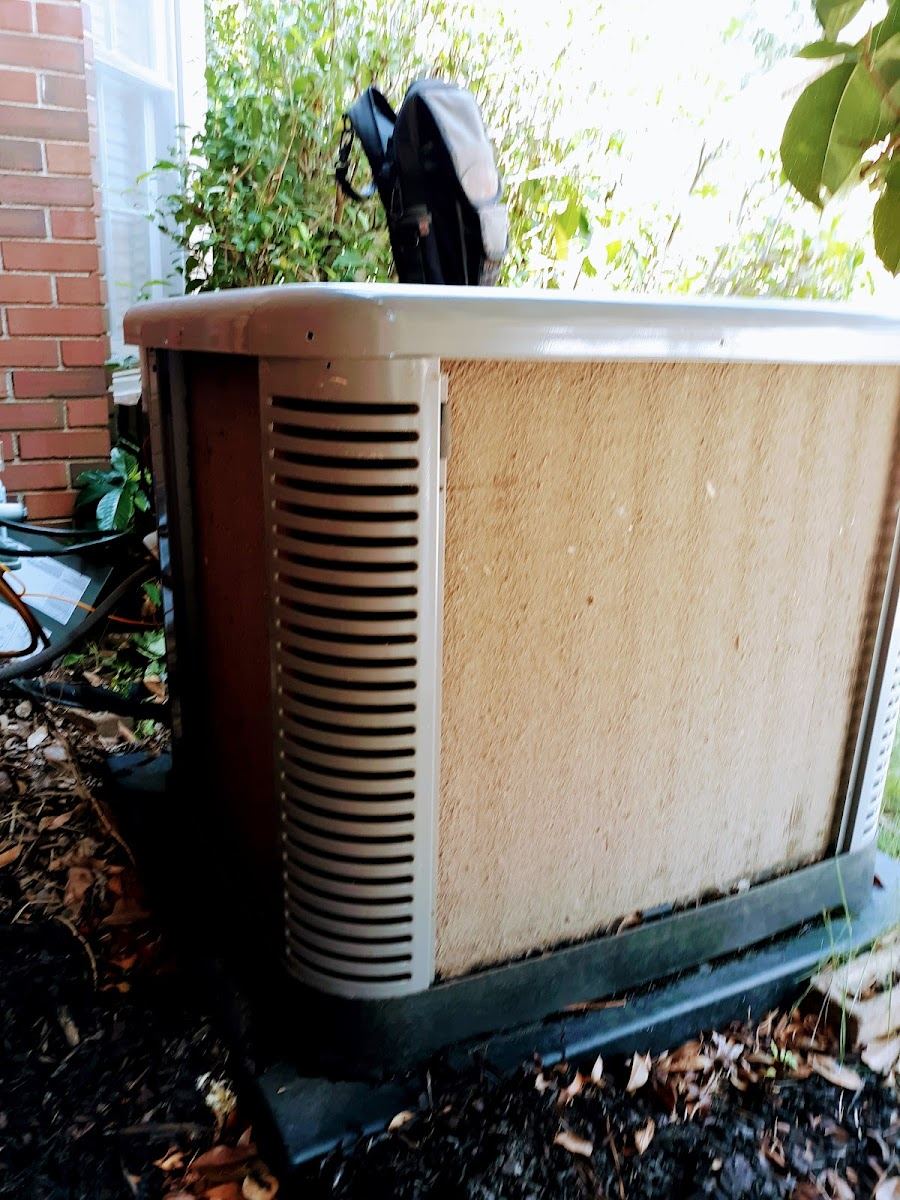
Geothermal systems are remarkably efficient, but the upfront cost is real. Here's an honest cost-benefit look.
The Real Question Behind Geothermal in the Chattahoochee Valley
If your power bill spikes every July and your old air handler groans through another Phenix City summer, geothermal heat pumps start to look like the holy grail. Sip electricity, beat the heat, never sweat the humidity again. The marketing is loud, and the efficiency numbers are genuinely impressive. But here is the part most ads skip: the upfront cost is real, and it is big.
So let's do this the way a neighbor would. No hype, no commission-driven pitch. Just an honest look at what geothermal costs, what it actually saves, and whether it makes sense for a home in Russell, Lee, Muscogee, or Harris County. Some homes are a perfect fit. Plenty of others are better served by a high-efficiency air-source heat pump. We'll help you tell the difference.
How a Geothermal Heat Pump Actually Works
A standard air-source heat pump pulls heat out of the outside air. That works fine here most of the year, but on a 97-degree August afternoon, the air it's fighting is brutally hot. A geothermal system ignores the air entirely. It moves heat to and from the ground through a loop of buried pipe filled with water or an antifreeze solution.
The reason that matters in Alabama: a few feet down, the soil holds steady around 60 to 65 degrees year-round, regardless of the heat baking your roof. So in summer your system rejects heat into cool earth instead of hot air, and in our mild winters it pulls warmth from ground that never freezes. The result is efficiency a conventional unit simply can't reach, because it's working against a much smaller temperature difference.
The Upfront Cost: Let's Be Honest About It
Here is where geothermal earns its reputation. A residential system in our area typically runs from the mid five figures into the higher five figures installed, depending heavily on the loop. The equipment inside is comparable to a premium heat pump, but the ground loop is the budget driver, and that's where your lot dictates the price.
Two main loop types show up around Phenix City:
- Horizontal loops: trenches dug several feet deep across your property. Cheaper to install, but they need real yard space. Common on larger Seale, Ladonia, and rural Lee County lots.
- Vertical loops: bored straight down, sometimes a few hundred feet. They fit tight lots in neighborhoods like Idle Hour or Summerville, but drilling adds significant cost.
- Pond or lake loops: if you have a suitable body of water on the property, this can be the least expensive option of all.
What You Actually Save, and How Long It Takes
A well-designed geothermal system can cut heating and cooling energy use by 40 to 60 percent compared to an aging or builder-grade unit. In a home that's spending heavily to fight August humidity, that's a meaningful chunk off the monthly bill. There's also a bonus: many systems use a desuperheater to help heat your water, trimming that cost too.
The honest math is payback period. With current federal incentives for geothermal, a good portion of the install cost can come back to you, which shortens the timeline considerably. Even so, plan on several years to a decade or more to break even purely on energy savings. The longer you intend to stay in the home, the better geothermal looks. If you might move in three or four years, it's a hard sell financially, and an air-source heat-pump installation usually makes more sense.
The Phenix City Humidity Factor Cuts Both Ways
Our Chattahoochee River microclimate is rough on equipment. The constant humidity accelerates coil corrosion, breeds algae that clogs condensate drain lines, and keeps compressors working hard deep into the evening. Geothermal has a real advantage here: the main heat-exchange components live indoors and underground, sheltered from the corrosive, salty-feeling river air that eats outdoor condensers alive. There's no outdoor unit baking in the sun and rusting in the damp.
That said, geothermal is not maintenance-free, and the humidity still finds the indoor air handler. Condensate lines still clog. Coils still need attention. The buried loop itself is extremely durable and can last decades, but the heat pump unit and circulating pumps need regular care to hit those efficiency numbers. Routine geothermal-heat-pump-service is what protects the investment you made, and it's where a lot of neglected systems quietly lose their savings.
Is Your Home a Good Candidate?
Geothermal rewards the right situation and punishes the wrong one. Before you fall in love with the brochure, look at these honestly:
- Lot and access: do you have yard room for trenches, space for a drilling rig, or a usable pond? No access usually means vertical drilling and a higher price.
- How long you'll stay: planning to be in the home 10-plus years strengthens the case considerably.
- Your current bills: the more you're spending now to cool an inefficient home, the faster geothermal pays back.
- New build or major remodel: installing during construction is far cheaper than retrofitting an established Riverchase or Lakewood home.
- Ductwork condition: leaky, undersized ducts will waste even the best system's efficiency and should be addressed first.
Geothermal vs. a High-Efficiency Air-Source Heat Pump
For a lot of Phenix City families, the smartest move isn't geothermal at all. Modern variable-speed air-source heat pumps have come a long way. They handle our mild winters easily, dehumidify well, and cost a fraction of geothermal to install. They lose efficiency on the hottest afternoons and rust faster in our climate, but the lower entry price and quicker payback win for many homes.
We'll tell you straight which one fits your situation, your lot, and your budget. If geothermal genuinely pencils out for your home, we handle geothermal-heat-pump-installation and we'll show you the real numbers, including incentives, before you commit a dollar. If it doesn't, we'll point you to the right heat-pump installation instead. No upsell, no pressure. To talk it through with an actual local technician, call us at +1 (327) 210-5999.
The Bottom Line for Phenix City Homeowners
So, is a geothermal heat pump worth it? It can be, when the lot cooperates, you're staying put for the long haul, and the incentives line up. The efficiency is real and the protection from our corrosive river-valley air is a genuine perk. But the upfront cost is equally real, and it's not the right answer for every home.
The only way to know for sure is a look at your specific property, your bills, and your plans. Scott Copeland and our team have helped families in this valley breathe better since 1997, and we'll give you an honest repair-vs-replace and geothermal-vs-air-source recommendation backed by real numbers. Schedule a consultation or call +1 (327) 210-5999 and we'll help you make the call that actually pays off.
Frequently Asked Questions
The buried ground loop is the long-lived part, often rated for 50 years or more since it's protected underground. The indoor heat pump unit and circulating pumps typically last 20 to 25 years with regular service, longer than a conventional outdoor condenser that battles our humid river air. Routine maintenance is what keeps it hitting those numbers.
Need a hand from a local technician?
My Affordable Air has helped Phenix City families breathe better since 1997. Call for honest, licensed HVAC help.